Crawl Space Water Damage
Crawl Space Water Damage requires evaluation of the material, water source, contamination and how far moisture has traveled beyond the visible mark.
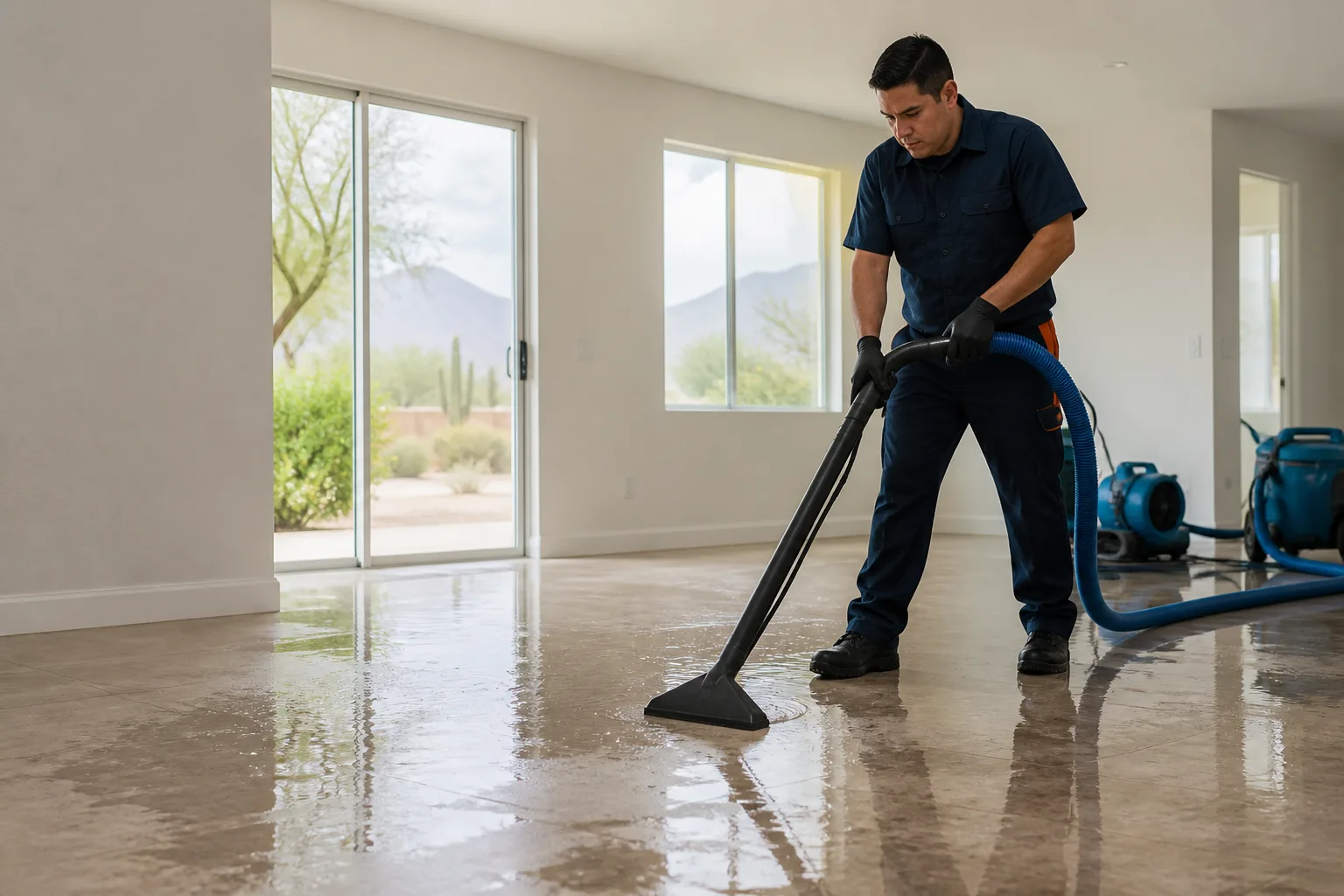
Crawl Space Water Damage requires evaluation of the material, water source, contamination and how far moisture has traveled beyond the visible mark.
How this damage develops
Crawl spaces collect water from plumbing, drainage, foundation entry or humid outdoor air. Limited access, exposed soil, insulation and wood framing create a different drying environment from occupied rooms.
Signs that deserve closer inspection
- Standing water or damp soil beneath the structure.
- Wet or fallen insulation between floor joists.
- Wood moisture readings elevated at sill plates or joists.
- Odor entering rooms through floor penetrations.
What changes the restoration scope?
The visible mark is only one piece of evidence. Source behavior, construction and access determine where inspection and drying need to continue.
- Source and drainage. Pumping water is temporary if exterior or plumbing entry continues.
- Ground moisture. Exposed soil can keep humidity high after liquid water is removed.
- Access and clearance. Restricted movement affects equipment placement and safety.
Limits and material decisions
A crawl-space fan alone can draw humid air into the area. Electrical lines, pests, unstable access and contaminated water require controlled entry.
A practical response sequence
- Confirm safe access
Check electrical, structural and contamination hazards.
- Control source and bulk water
Correct entry and remove standing water.
- Assess insulation and framing
Measure joists, subfloor and sill areas.
- Manage ground and air moisture
Coordinate drying with drainage or vapor-control needs.
Extraction, drying and repair are separate decisions
Extraction removes accessible liquid water. Structural drying addresses retained moisture in the assembly. Repair follows only after the source is corrected and affected materials have been evaluated for condition, contamination and moisture.
Related services and guidance
Moisture Detection
Moisture detection helps locate water migration behind finishes and beneath flooring so the drying plan covers the actual affected area.
Learn more→Structural Drying
Structural drying reduces moisture retained in drywall, framing, subfloors and other building materials after bulk water is removed.
Learn more→Water Damage Restoration Services in Green Valley, AZ
Water damage restoration removes unwanted water, identifies affected materials and supports controlled drying after leaks, flooding or plumbing failures.
Learn moreFrequently asked questions
How does crawl space water damage develop?
Crawl spaces collect water from plumbing, drainage, foundation entry or humid outdoor air. Limited access, exposed soil, insulation and wood framing create a different drying environment from occupied rooms.
What are common signs of crawl space water damage?
Look for standing water or damp soil beneath the structure; wet or fallen insulation between floor joists; wood moisture readings elevated at sill plates or joists.
What factors change the restoration scope?
Source and drainage: Pumping water is temporary if exterior or plumbing entry continues. Ground moisture: Exposed soil can keep humidity high after liquid water is removed. Access and clearance: Restricted movement affects equipment placement and safety.
What should property owners avoid?
A crawl-space fan alone can draw humid air into the area. Electrical lines, pests, unstable access and contaminated water require controlled entry.
Need help with water damage?
Describe the source, affected rooms and when the problem began.