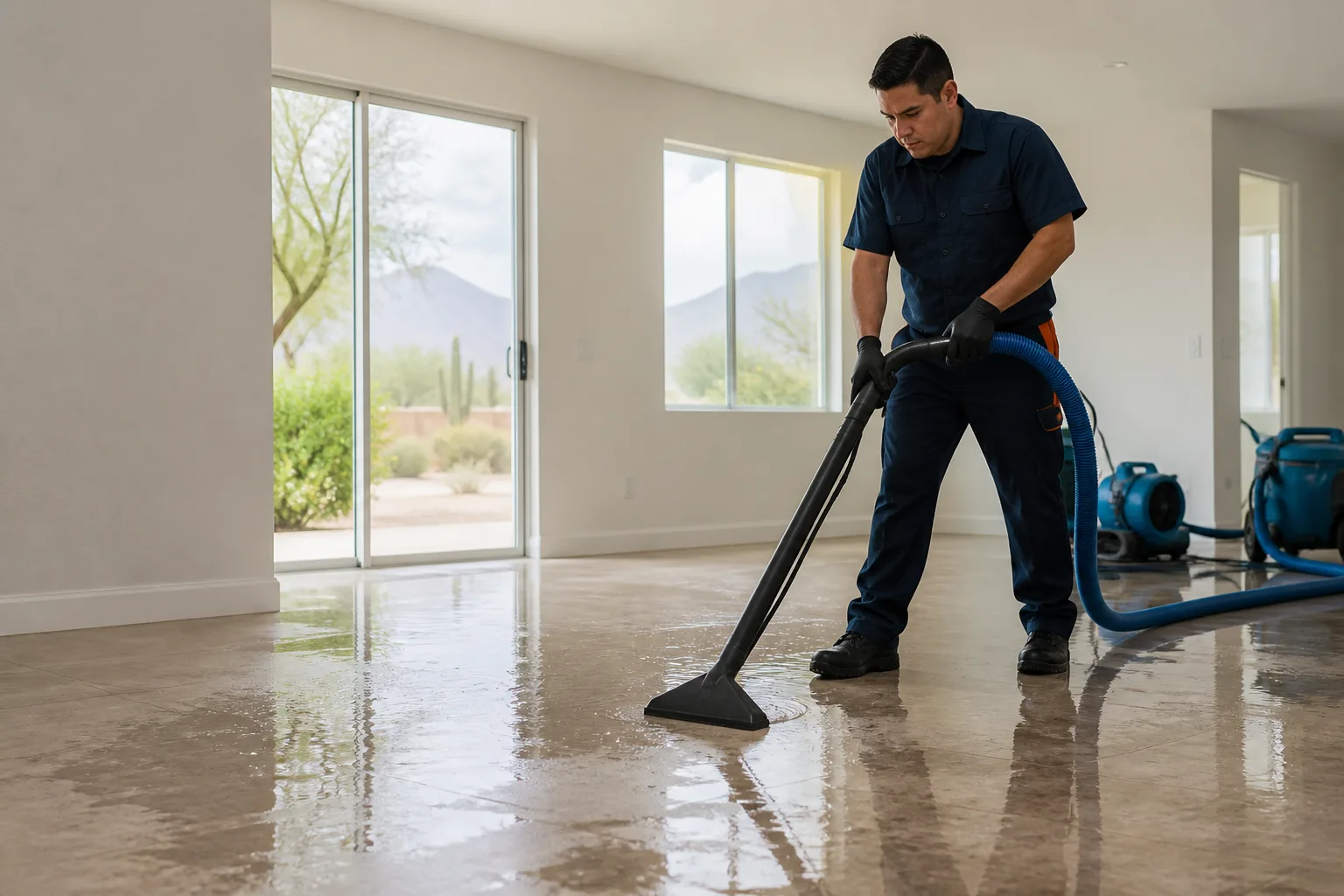
What to Do After a House Flood starts with understanding the source, the affected materials and the immediate safety decisions. This guide explains the practical factors that shape the next step. The useful question is not whether water is visible; it is where the water traveled, what it contacted and which decision must happen next.
What is What to Do After a House Flood?
After a house flood, stay out of unsafe areas, determine the water source and contamination risk, document conditions, arrange controlled water removal and assess materials before cleanup.
That definition sets the boundary of the topic. Source control, extraction, moisture detection and structural drying are related, but they are not interchangeable. Each answers a different property question.
Key factors that shape the situation
No single observation determines the full scope. These factors carry the most weight:
- Flood source. Surface water, sewage and clean plumbing releases require different controls.
- Electrical and structural safety. Water can affect wiring, floors, ceilings and access routes.
- Porous contents. Upholstery, insulation, drywall and carpet may retain contamination.
- Building humidity. Large wet areas can raise humidity throughout the property.
Practical benefits of an organized response
- Controlled access reduces occupant exposure.
- Source-based handling prevents cross-contamination.
- Coordinated extraction and dehumidification address both water and vapor.
Professional flood cleanup vs. Household cleanup
The distinction matters because the two approaches answer different questions and can produce very different scopes.
| Factor | Professional flood cleanup | Household cleanup |
|---|---|---|
| Water condition | Assessed before handling | May be assumed clean |
| Equipment | Extraction and humidity control | Mops and household fans |
| Containment | Work zones and disposal controls | Open movement through home |
| Verification | Material readings | Appearance and touch |
Limitations and disadvantages
Some porous materials cannot be safely restored after contaminated flooding. Coverage for surface flooding is often different from plumbing water damage and depends entirely on the applicable policy.
What to do: a practical sequence
- Do not enter blindly
Check electrical, structural and contamination concerns.
- Identify the source type
Separate plumbing water from sewage or outside floodwater.
- Document from a safe position
Capture rooms, depth and affected contents.
- Plan controlled removal
Coordinate extraction, cleaning, drying and disposal.