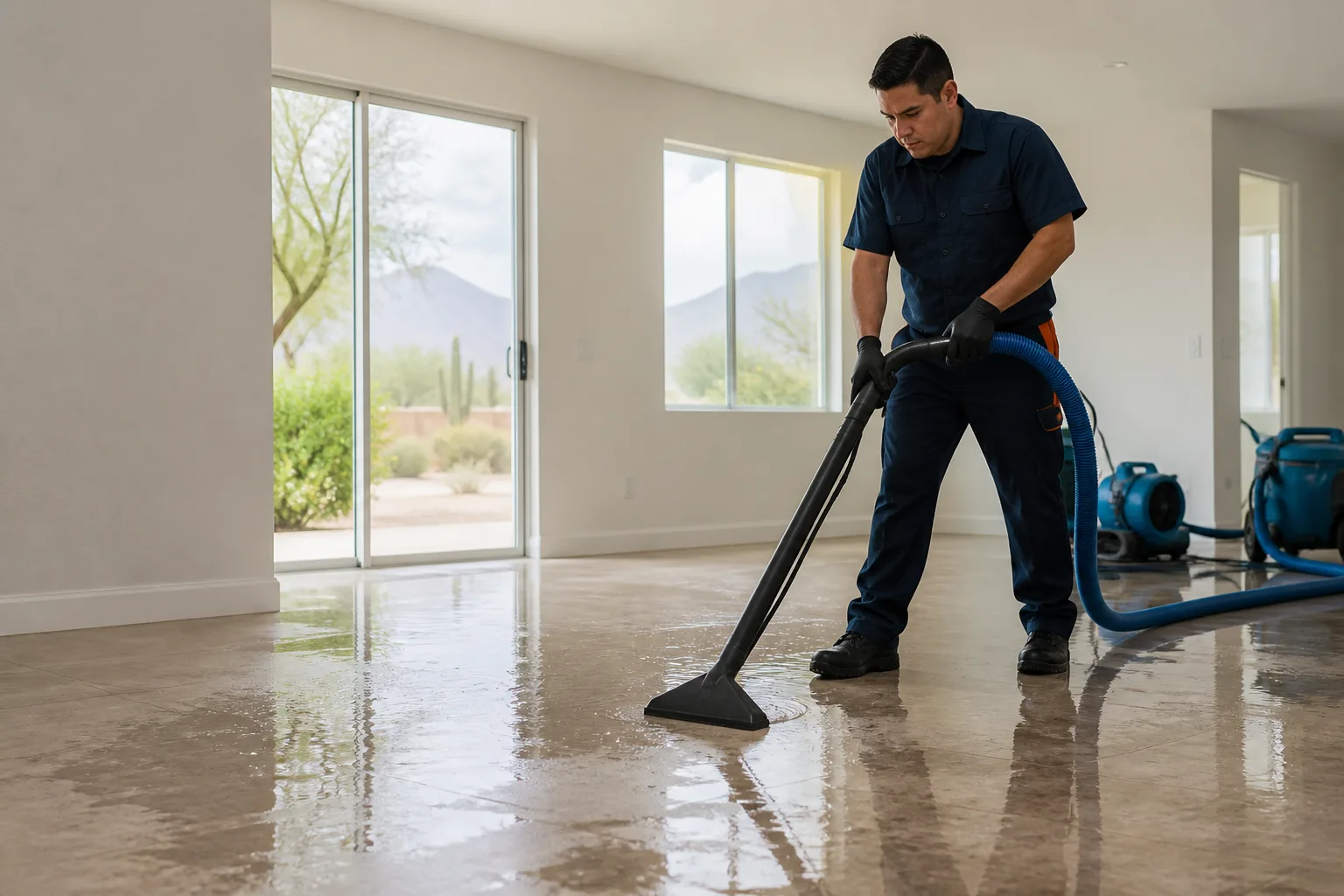
Classes of Water Damage starts with understanding the source, the affected materials and the immediate safety decisions. This guide explains the practical factors that shape the next step. The useful question is not whether water is visible; it is where the water traveled, what it contacted and which decision must happen next.
What is Classes of Water Damage?
Water damage classes describe the amount of water, affected surface area and material absorption that determine the expected evaporation load and drying complexity.
That definition sets the boundary of the topic. Source control, extraction, moisture detection and structural drying are related, but they are not interchangeable. Each answers a different property question.
Key factors that shape the situation
No single observation determines the full scope. These factors carry the most weight:
- Class 1. A limited area with low-permeance materials and minimal absorption.
- Class 2. A significant area with water absorbed into carpet, cushion or lower wall sections.
- Class 3. Extensive saturation affecting walls, ceilings, insulation or broad floor areas.
- Class 4. Water held in low-permeance materials such as dense wood, plaster or masonry.
Practical benefits of an organized response
- Connects equipment planning to the actual moisture load.
- Helps explain why two similar-looking rooms may dry differently.
- Supports more consistent monitoring locations and goals.
Class assessment vs. Visual depth alone
The distinction matters because the two approaches answer different questions and can produce very different scopes.
| Factor | Class assessment | Visual depth alone |
|---|---|---|
| Measures | Area, materials and absorption | Visible water height |
| Hidden moisture | Included through inspection | Often missed |
| Equipment | Related to evaporation load | Based on guesswork |
| Progress | Compared through readings | Judged by appearance |
Limitations and disadvantages
Class is an assessment tool, not a promise of drying time. Assemblies, coatings, temperature, access and equipment performance can change how moisture moves.
What to do: a practical sequence
- Map the affected area
Include adjoining rooms and concealed assemblies.
- Identify material porosity
Separate readily drying surfaces from dense or layered materials.
- Estimate evaporation load
Use area and absorption to plan conditions.
- Monitor by material
Compare repeat readings at consistent locations.