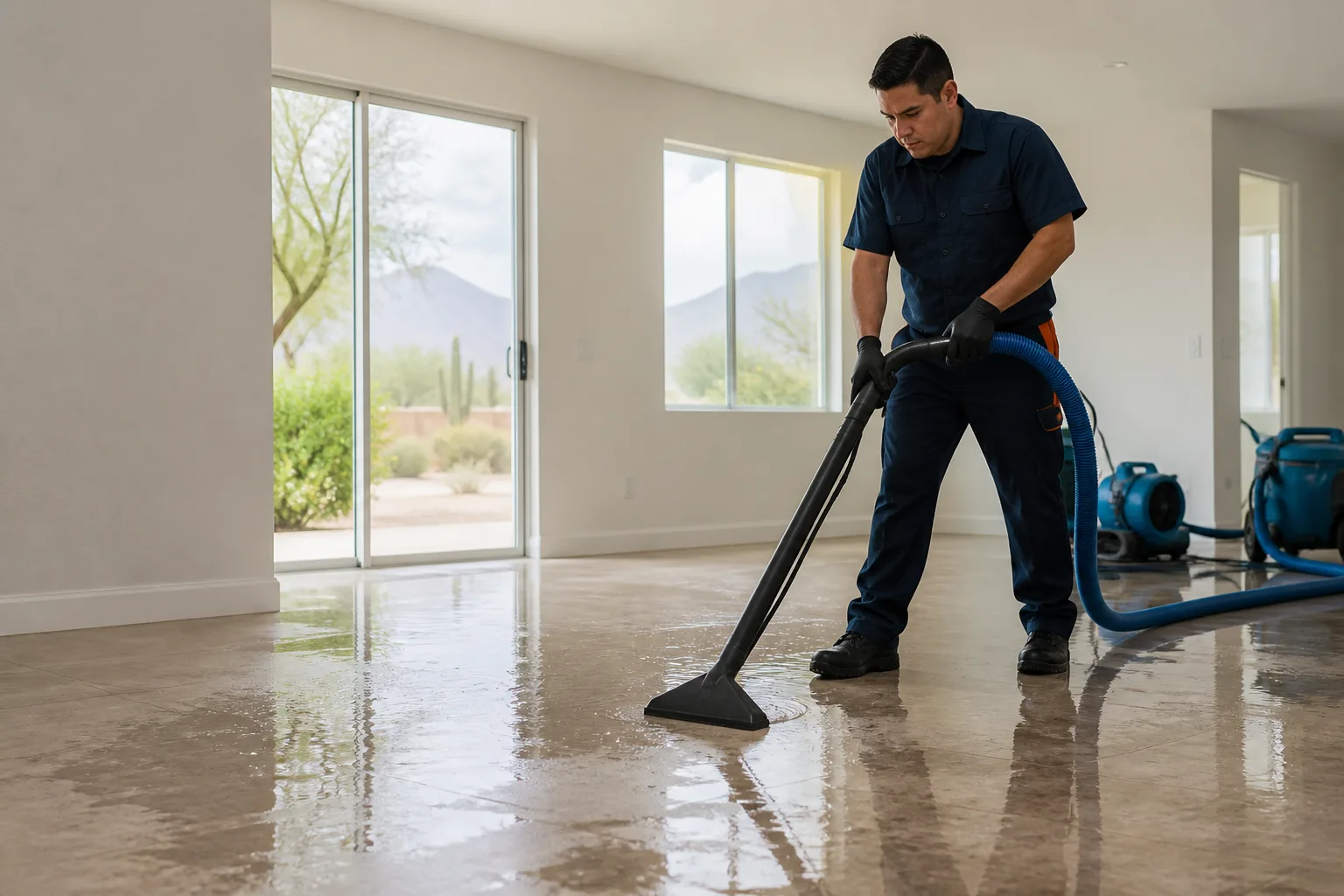
Categories of Water Damage starts with understanding the source, the affected materials and the immediate safety decisions. This guide explains the practical factors that shape the next step. The useful question is not whether water is visible; it is where the water traveled, what it contacted and which decision must happen next.
What is Categories of Water Damage?
Water damage categories classify the level of contamination in water—Category 1, 2 or 3—based on its source, exposure and potential health risk.
That definition sets the boundary of the topic. Source control, extraction, moisture detection and structural drying are related, but they are not interchangeable. Each answers a different property question.
Key factors that shape the situation
No single observation determines the full scope. These factors carry the most weight:
- Category 1. Water begins from a sanitary source but can deteriorate after contact or delay.
- Category 2. Water contains meaningful contamination and requires controlled handling.
- Category 3. Grossly contaminated water can contain harmful agents and demands strict controls.
- Change over time. Category is not fixed when water contacts materials or remains untreated.
Practical benefits of an organized response
- Guides protective measures and work-zone controls.
- Influences which porous materials can reasonably be cleaned.
- Prevents clean-water assumptions from being applied to contaminated losses.
Water category vs. Water class
The distinction matters because the two approaches answer different questions and can produce very different scopes.
| Factor | Water category | Water class |
|---|---|---|
| Describes | Contamination and sanitary condition | Extent and evaporation load |
| Scale | Category 1–3 | Class 1–4 |
| Affects | Handling and cleaning | Drying strategy and equipment |
| Determined by | Source and exposure | Materials and affected area |
Limitations and disadvantages
Category cannot always be confirmed from appearance or odor. A clear-looking overflow may still contain contamination, and source water can change condition after passing through building materials.
What to do: a practical sequence
- Identify the source
Determine where the water originated.
- Consider exposure
Note contact with soil, waste, chemicals or affected materials.
- Control the area
Keep occupants away when contamination is possible.
- Set the cleaning scope
Match removal and cleaning decisions to the assessed condition.