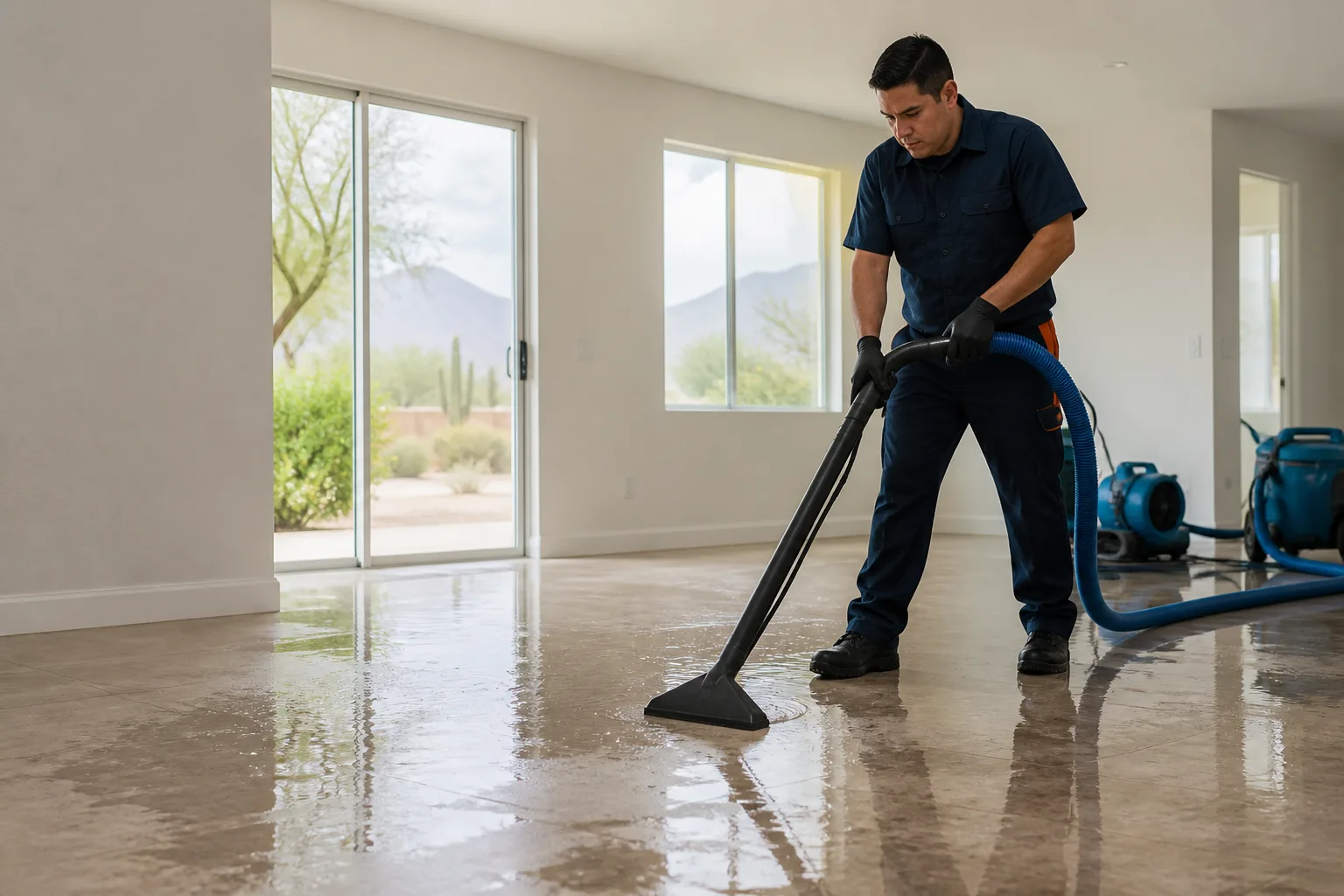
How to Document Water Damage for Insurance starts with understanding the source, the affected materials and the immediate safety decisions. This guide explains the practical factors that shape the next step. The useful question is not whether water is visible; it is where the water traveled, what it contacted and which decision must happen next.
What is How to Document Water Damage for Insurance?
Documenting water damage means creating a dated record of the source, affected areas, visible conditions, contents, moisture findings and work performed for property and insurance review.
That definition sets the boundary of the topic. Source control, extraction, moisture detection and structural drying are related, but they are not interchangeable. Each answers a different property question.
Key factors that shape the situation
No single observation determines the full scope. These factors carry the most weight:
- Timeline. Record when the loss was discovered and when the source was controlled.
- Wide and close photos. Show room context first, then specific materials and contents.
- Source evidence. Photograph the failed line, fixture or entry point when safe and accessible.
- Work records. Keep estimates, readings, invoices and disposal notes together.
Practical benefits of an organized response
- Preserves details that are easy to forget later.
- Connects damaged materials to rooms and the reported event.
- Makes conversations with contractors and insurers more specific.
Useful documentation vs. Weak documentation
The distinction matters because the two approaches answer different questions and can produce very different scopes.
| Factor | Useful documentation | Weak documentation |
|---|---|---|
| Photos | Wide, close and labeled | Unsorted close-ups |
| Timing | Dates and discovery notes | No sequence |
| Contents | Item and room recorded | General damage statement |
| Work | Scopes and receipts retained | Totals without detail |
Limitations and disadvantages
Documentation does not guarantee coverage. Do not enter unsafe water, disturb suspected hazardous materials or delay necessary mitigation solely to take photographs.
What to do: a practical sequence
- Create a dated overview
Write what happened, when and which rooms were affected.
- Photograph safely
Capture room context, source and individual materials.
- Track affected contents
List items without discarding evidence prematurely.
- Store every record
Keep claim messages, scopes, readings and invoices in one folder.